

Curating Bulbs and Early Perennials for Estate Gardens
The best spring gardens aren’t a happy accident—they are thoughtfully curated and composed. Like a symphony, an estate garden unfolds in movements, with early notes of color emerging from winter dormancy, followed by waves of blooming layers that evolve in graceful succession through the season. The artistry extends beyond selecting beautiful plants, but involves understanding color theory, timing, lifecycle, and expectation. True spring garden success is achieved through succession planting to produce natural, consistent blooms without appearing forced.

What Is Succession Planting?
An experienced landscape company knows that foresight is the key to success. One of the most common design mistakes by amateur gardeners is planting for a single moment of beauty. Yes, the garden explodes in color, but it only blooms for several weeks before quietly fading away.
Instead, professional horticultural design focuses on succession planting—the intentional layering of plants that bloom sequentially to ensure seamless visual interest from late winter into summer.
Texas A&M AgriLife Extension recommends selecting plant combinations with staggered bloom cycles to maintain continuous seasonal color rather than a single peak display. While the results feel effortless, succession planting in spring gardens is a carefully orchestrated science.
In North Texas estate gardens, this typically follows a progression:
Late Winter / Early Spring
-
Daffodils
-
Grape hyacinth
-
Early iris
-
Cool-season annual accents
Mid-Spring
-
Tulips
-
Columbine
-
Phlox
-
Salvias
Late Spring Into Summer
-
Lantana
-
Perennial salvia
-
Daylilies
-
Heat-tolerant perennials

Spring Bulbs: Beauty vs. Longevity
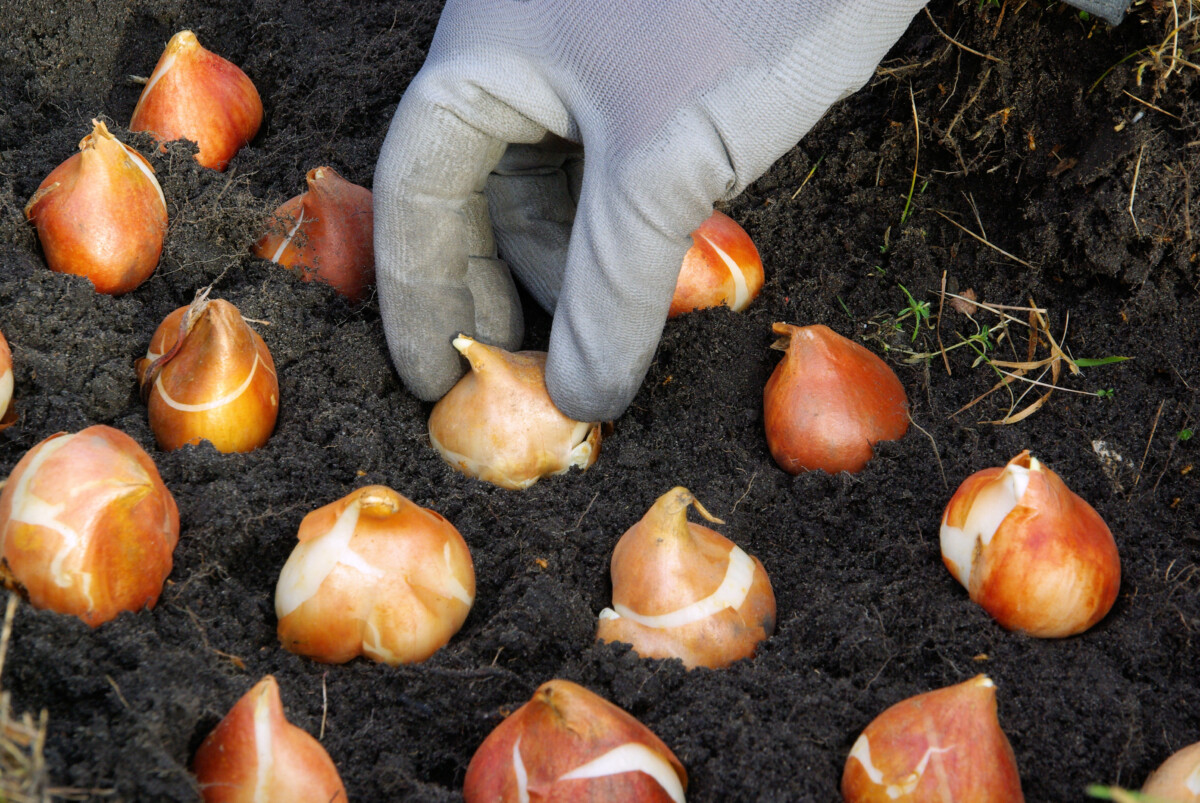
A frequent misconception is assuming spring bulbs will reliably return year after year. However, not all bulbs behave equally in North Texas.
Tulips: A Seasonal Performance
Most tulips require prolonged periods of cold for optimum blooms in North Texas soils. While they make a striking entrance once, they often fail to repeat the performance. For this reason, tulips are best considered annual design elements, installed for dramatic seasonal impact. They are one of spring’s most anticipated events—especially at the Dallas Arboretum.
Daffodils: The Reliable Return
Conversely, certain daffodil varieties adapt exceptionally well in our DFW climate, often reblooming annually when properly installed and maintained.
The Perennial Misunderstanding
An important note in succession planting: Perennials do not look beautiful year-round. In fact, most are only visually compelling for 10–15% of their annual lifecycle.
A perennial’s natural rhythm includes:
-
Emergence from dormancy
-
Active growth
-
Bloom period
-
Seed production
-
Dieback and dormancy
After perennials bloom, their foliage often declines as the plant redirects energy underground. Without understanding this cycle, gardens can appear unfinished between bloom periods. This is a key factor in planning for succession planting. Texas A&M AgriLife guidance emphasizes allowing foliage to die back naturally so plants can store energy for future seasons.
To compensate for the die-back period, professional landscape designers utilize:
-
Structural shrubs
-
Evergreen framework
-
Seasonal rotations
-
Companion plant layering
This way, the garden remains composed while plants take their turns to rest.


Color Theory for Garden Design
Color can be guided by preference and designed according to principles. Employing the psychology of color can guide the emotional experience throughout the gardens. The goal is continuity—not competition.
Successful spring color compositions consist of three main strategies:
Monochromatic Elegance
Graduated color from a single hue—soft whites, lavenders, or blush tones—creates calm sophistication appropriate for formal gardens.
Analogous Harmony
Colors adjacent on the spectrum (blue, violet, pink) form fluid visual transitions across expansive garden beds.
Controlled Contrast
Strategic placement of complementary colors introduces drama without visual chaos. Bulbs emerge as early accents, while perennials gradually assert dominance as spring awakens.


Regular Maintenance: The Secret to Extended Blooms
Plant selection is only one aspect of securing prolonged garden beauty. Proactive maintenance multiplies a short bloom window into an extended spring color display. Maintenance is not corrective—it is intentional performance management.
Deadheading
Deadheading involves removing spent flowers, which is an essential key to prolonging the bloom cycle.
-
Prevents seed production
-
Redirects plant energy into new blooms
-
Encourages secondary flowering cycles
Strategic Cutbacks
A strategic cutback is the intentional reduction of plant growth at a precise moment in its lifecycle to stimulate stamina. Unlike seasonal pruning or winter dormancy cuts, these adjustments are employed during the active growing season, usually after a plant’s first bloom cycle. The goal is to redirect energy from seed production back into growth and flowering.
Many North Texas perennials—particularly salvias and phlox—rebloom when lightly sheared after their first flush.
Soil & Bed Management
Well-prepared soil and drainage remain essential, as bulbs are highly susceptible to rot in poorly drained conditions.

The Estate Garden Philosophy
In short, a carefully curated landscape is never static—it evolves weekly. When properly designed, the garden never peaks—it progresses. Spring becomes less of a season, and more of a carefully conducted experience, where blooms follow one another in successive harmony and beauty unfolds with intention.
-
Bulbs announce spring.
-
Perennials carry momentum.
-
Structural plantings maintain composure.
-
Maintenance sustains rhythm.
Contact us today to awaken your garden for spring, schedule a spring color installation, and enlist in our concierge garden management services.
Sources:
Dallas County Master Gardeners
You May Also Enjoy:
5 Ways to Refresh Your Gardens with Spring Color Installation