Explore the nuances that separate each garden design style to learn which one best suits your estate's architecture and aesthetics.
From simple, modern grids of plantings to a natural, native Texas garden, everyone has their preferred aesthetic. When our landscape designers meet with a new client, several factors determine what style of garden they will design.
Exploring the Various Styles of Landscape Design
From simple, modern grids of plantings to a natural, native Texas garden, everyone has their preferred aesthetic. When our landscape designers meet with a new client, several factors determine what style of garden they will design. While a home’s architecture lends itself to the foundation of the design, a client’s lifestyle and preferences contribute to the final details. Then, of course, we factor in our mercurial North Texas climate. At Bonick, our landscape designers showcase their expertise in a range of contemporary and modern transitional to traditional gardens. Explore the nuances that separate each garden design style in more depth to learn which one best suits your estate.
Garden Design Factors
First, let’s dive deeper into the factors that play into the garden design:
Climate
One challenge to achieving pure styles of garden design is our subtropical continental climate. With our sudden temperature shifts between extreme highs and lows, unpredictable precipitation, and typically mild but uncertain winters, North Texas is fickle about what vegetation can survive. However, we find ways around it through similar plant substitutions or shielded locations.
Architecture
How much does the architecture of the home influence the style of garden design? Our landscape designers are in consensus that the home’s architecture is the number one influencing factor on garden design style.
As Landscape Architect, Tom Nugent summarizes it, “The garden should be an extension of the architecture.”
Landscape Designer, Jose Perez concurs, especially when it comes to the hardscape material selection. “It should complement the architecture and feel as if they were all designed as one. Once the bones and structure of the garden have been established, you can start incorporating the client’s style and influence.”
Rather than trying to force another design style, Landscape Designer, Todd Piasczyk finds that matching the style of the home with the landscape creates a beautiful balance for the entire property. “Many times, I find my clients want to follow the architecture of the home because that is what originally drew them into the purchase.”
Aesthetic Preferences
Next, our landscape designers help hone in on a clear direction by determining a client’s aesthetic preferences. If they are unsure of the type of garden style they are looking for, our landscape designers help direct them, each in their own way.
Landscape Designer, Michael Pappas first draws from the home’s architecture, and then asks for any inspirational images, as well as a list of plants his clients like or dislike. These preferences strongly influence the garden design style as well as the overall plant selection.
Todd Piasczyk also relies upon imagery, first assessing the architecture of the home and then showing his clients photos of complementary garden design styles. Then he moves to the interior.
“I do like to see how the client designs the interior of their home. I find that this is a true representation of the client, especially if they have lived there for a while. Are they neat freaks or do they have clutter? Do they have kids? Viewing the inside of the home will also allow the designer to see how they entertain friends and family. It helps me to enhance their living space.”
After working from the home’s architecture, Jose Perez also takes visual cues from a client’s interiors. “If they own a special art piece, most likely they will want a garden that will make a statement. If their interior is more subtle and simple, typically, they will want their landscape to reflect it.
Another consideration is maintenance. Knowing how much maintenance a client is willing to pay for or do themselves is crucial. Selections such as hedges, seasonal color, or cutting gardens for home decor require regular service. We also factor in their love of particular deciduous trees versus whether they are willing to endure the annual cleanup of ample leaves in the fall and winter.
Garden Design Styles
Now, let’s explore the range of design options. One thing to keep in mind is that since our garden design styles often reflect our clients, many designs within our portfolio draw from personal input rather than mirroring one true style. While this is by no means a comprehensive list, here are the main types of garden design from which we derive our inspiration.
Formal Gardens
Formal gardens are governed by strict rules to maintain order, symmetry, and control. Emphasizing harsh lines, balance, and geometry, they require both meticulous planning and maintenance. Common traits include topiary, formal, old-world hardscaping such as brick, stone, and gravel, and a mirrored layout.
Traditional Garden Design
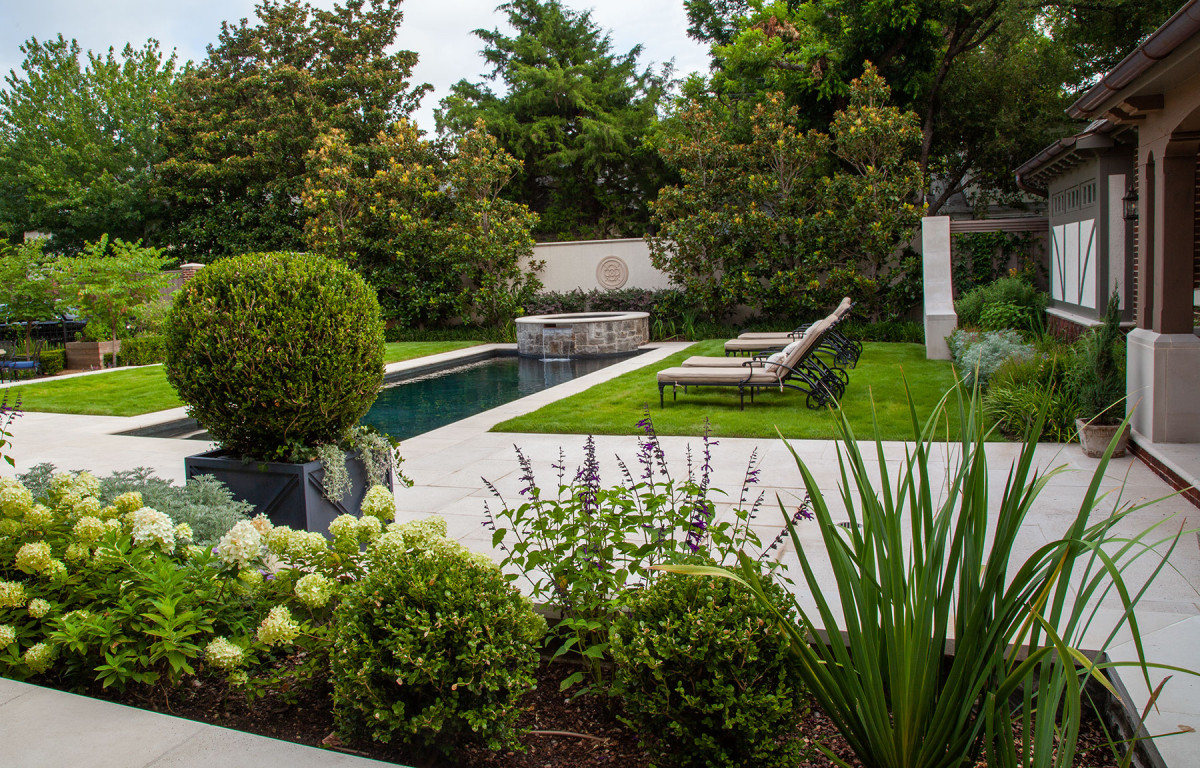
One main type of formal garden is the traditional garden, which utilizes a slightly softer, more casual approach. These gardens feature more organic bed lines, with a variety of plants within the same bed. Planting is often done in layers, showcasing a myriad of colors, combining evergreen and perennial planting, and often incorporating garden ornaments.
English Cottage Gardens
One popular type of traditional garden is the English cottage garden. While formal in regard to symmetry, they offer an expansive color palette in an array of textures and colors. Pottery is often used to anchor a focal point, and large, green planting walls provide elegant screening. While these types of gardens are lovely throughout Spring, they can tend to look rather disheveled come winter.
Spanish Mediterranean Gardens
Another favorite subsection of traditional style to consider is a Spanish Mediterranean garden. Often featuring ornate old-world water features or pools with colored or Moroccan tile, these blue spaces provide a serene cooling effect and tranquil ambiance through subtle sounds. Plant palletes include evergreens for structure and accent, such as Holly, Boxwood, or Taylor Juniper, plus an ample variety of perennials to create a mix of colors and textures. Tom Nugent likes to use plants in shades of gray and dark green for a more Mediterranean feel; Texas Sage, Catmint, Agave, Yucca, and ornamental grasses are great plant choices for this style.
Asian Gardens
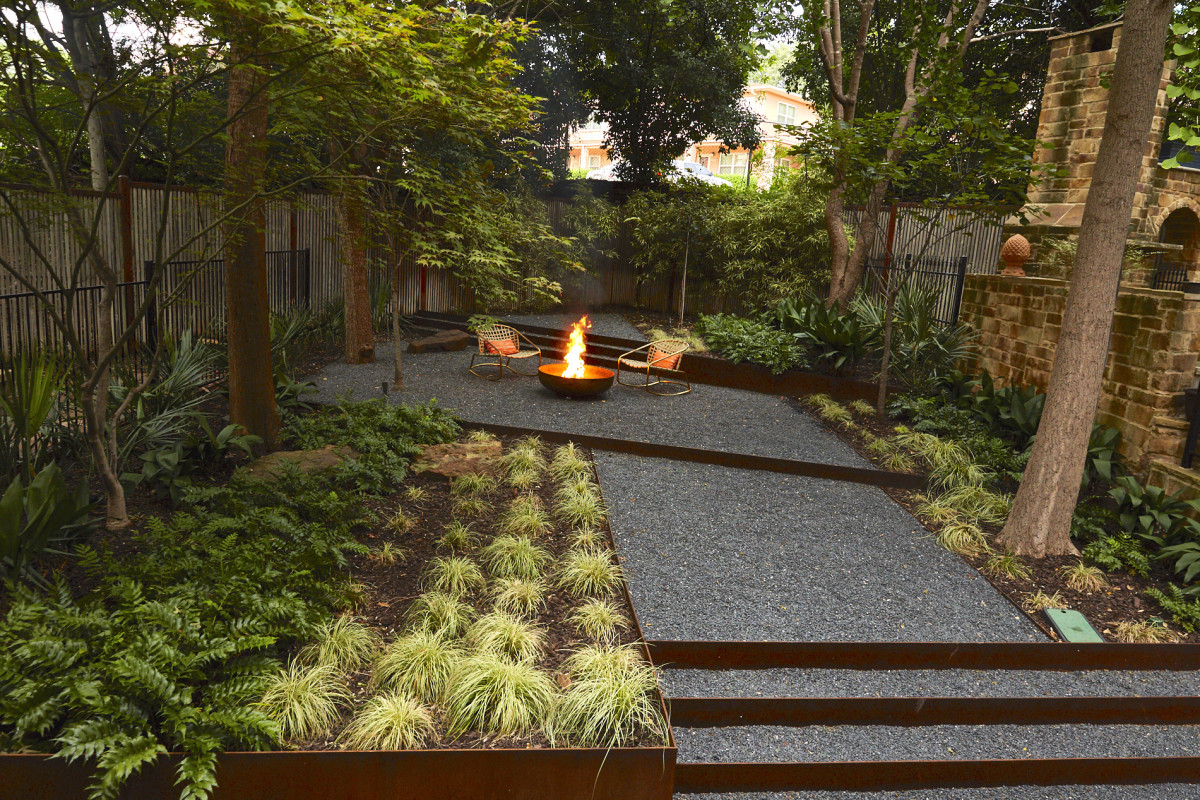
Often referred to as a zen garden, these Japanese or Chinese-inspired gardens rely largely upon symbolism based on philosophical principles, which emphasize peace, harmony, and a strong connection to nature. They are designed with purpose, often being used for meditation and contemplation. Grounding elements such as rock or gravel combine with water’s life-giving force. Plantings emphasize texture rather than color and focus mostly upon greenery.
Meadow/Prairie Gardens
This informal garden style depicts natural meadows or prairies for the purpose of local wildlife and ecosystems. Plantings contain biodiverse, native and well-adapted specimens that assist with pollination, shelter, and food. Adding a shallow water feature offers hydration to our fluttering winged friends.
Tropical Garden Design
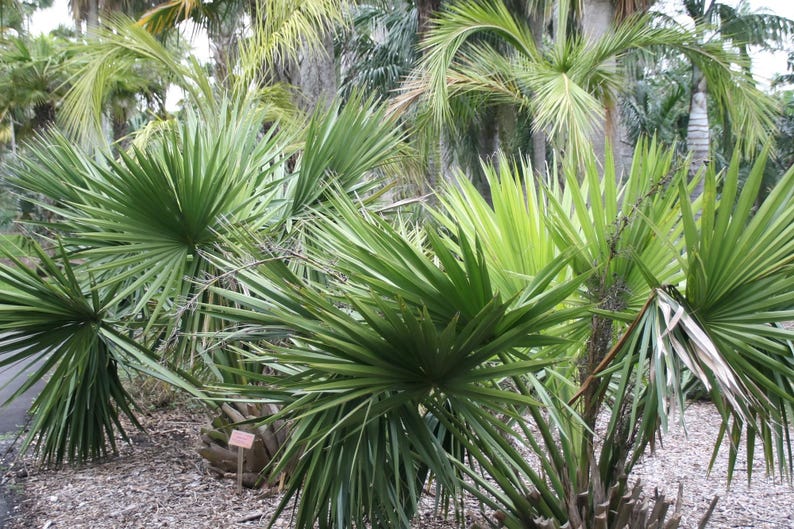
Because of our unpredictable climate, the success of a true tropical garden can be limited in Dallas. However, they can be successful in a controlled environment. Typically, courtyards or areas that are semi-protected from the harsh winters perform best. While the plant palette has its limitations, we can find certain cold-hardy palms, canna, banana, mandevilla, and hibiscus. We can also “cheat” by using large-leafed plants like elephant ears, leopard plant, auralia, alocasia, or ferns. Adding a splash of color around shrubs and annuals in beds can also ensure that a tropical garden boasts color throughout the year.
Contemporary/Modern & Transitional Gardens
There is often confusion between modern and contemporary design of any kind.
and crossover between these styles, so here is a cheat sheet:
Modern Garden Design
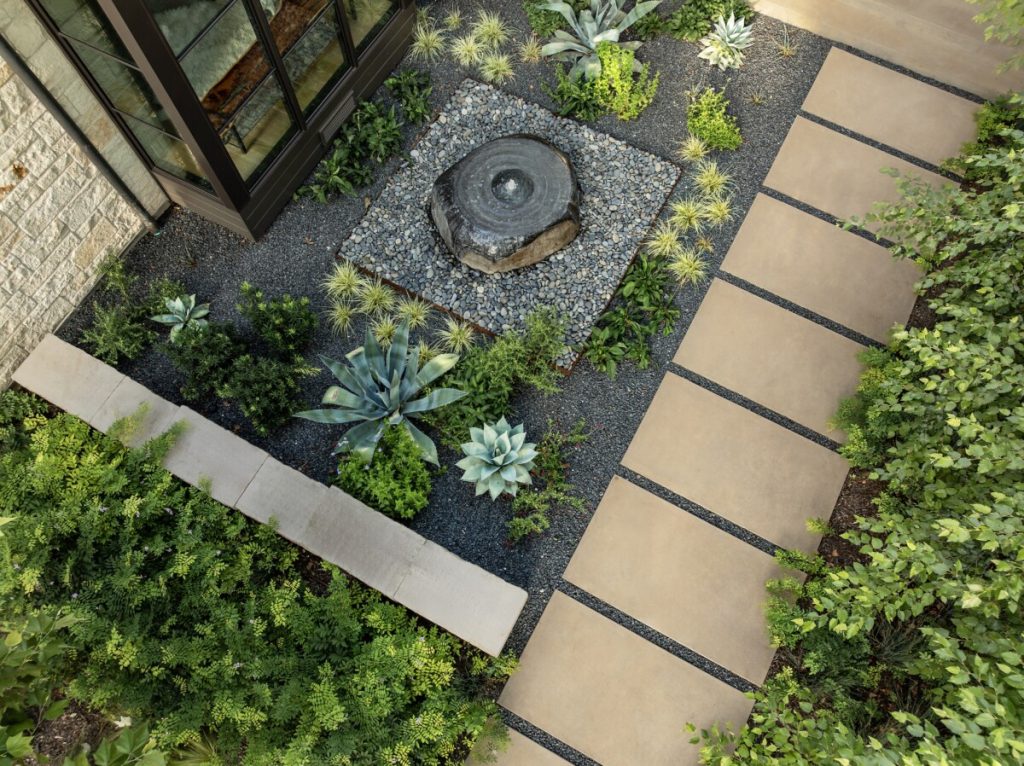
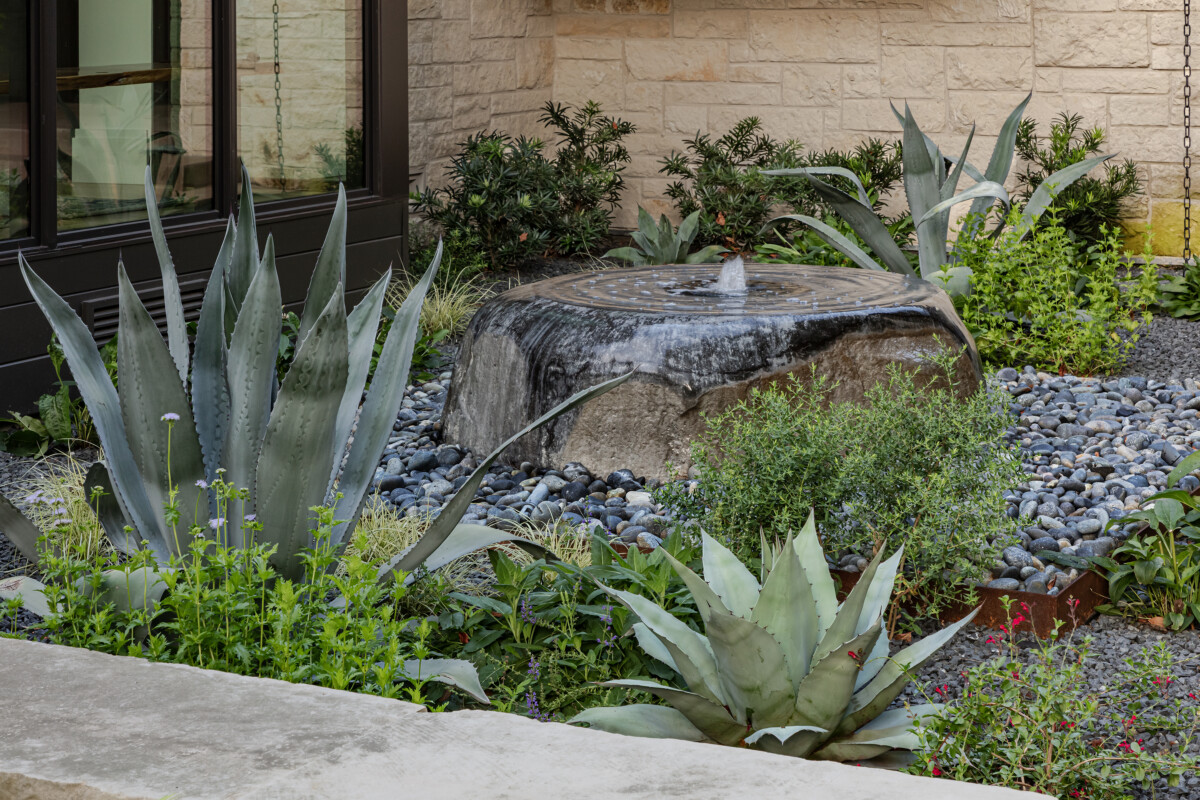
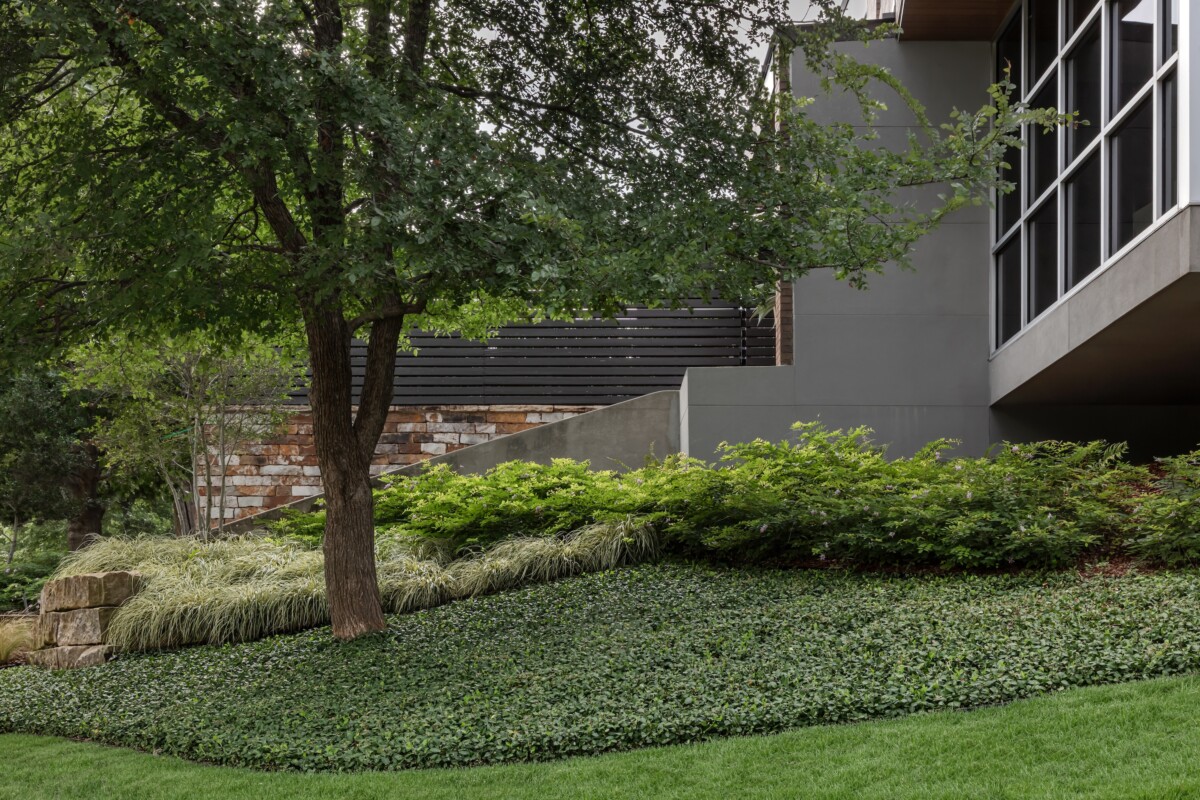
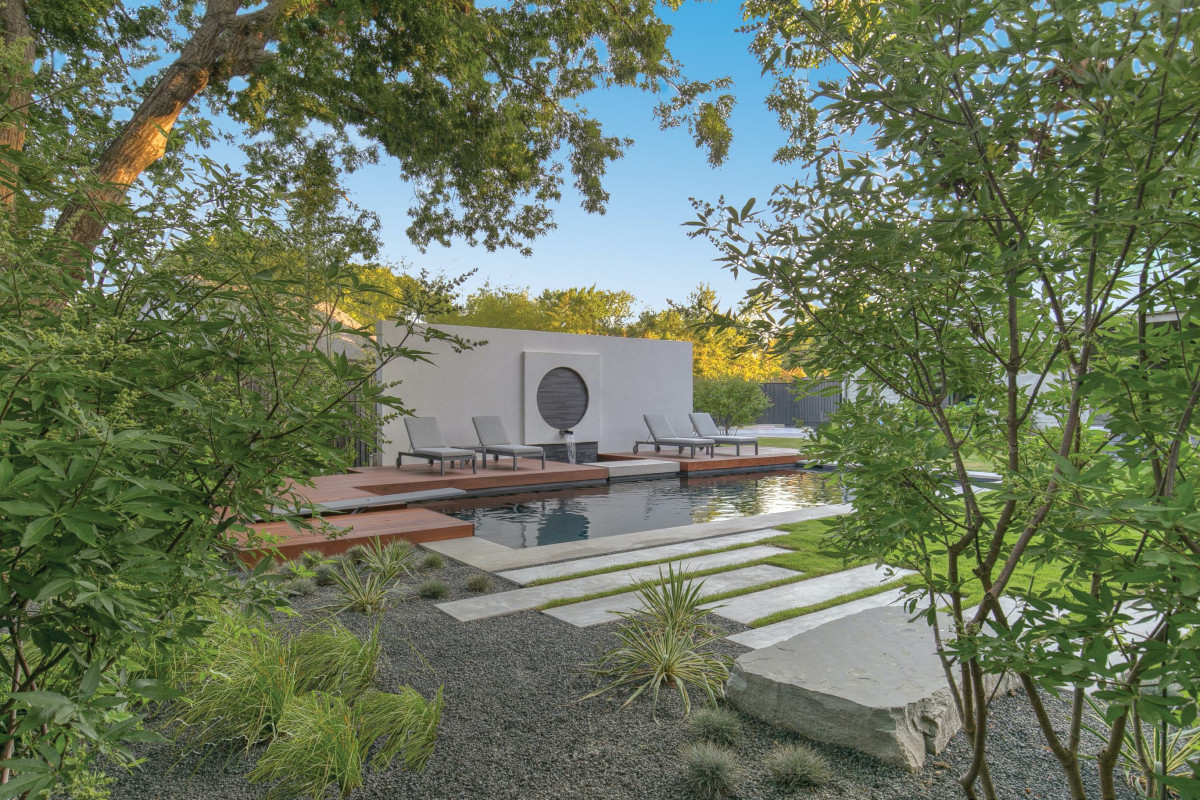
Modern garden design echoes the architecture as one seamless extension of the home, with a focus on hardscaping. Bold, minimalist, clean lines and a limited color palette anchor these designs. These are easily identifiable by expansive stone or concrete structures in a neutral color scheme, often with a mixture of steel or composite. This garden design style results in functional, sustainable outdoor living. Planting focuses on larger swaths with fewer plant varieties, ranging from ornamental grasses, yucca, and agave to sedges, yaupon holly, Vitex Tree, and wintercreeper, among many choices.
Lush Modern Garden Design
Landscape Architect, Tom Nugent has become more interested in the lush modern style recently.
“I love it when the garden has a strong, modern layout, however, it is filled with more varied combinations of plants that provide a mix of colors and textures throughout the year. I believe a garden should feel like a garden. You could think of this as a hybrid between a modern garden and a modified type of English cottage garden. The plants that could be used for this style are endless. They include Boxwood, Yews, Holly, and Magnolia for evergreen structure. Yucca, Agave, and Japanese Maples for architectural/structural interest, soft plants like Palmetto, Aralia, Abelia, Ornamental Grasses, Perennials like Iris, Catmint, Salvia, Turk’s Cap, and Leopard Plant.
Contemporary Garden Design
Contemporary garden design relies upon current design trends that emphasize clean, straight lines, geometric shapes, bold planting, and varied materials like metal, wood, and stone to create a balanced feeling.
Transitional Garden Design
Transitional gardens have a refined, timeless essence that exudes elegance. They generate more of a flow by balancing diverse plant height, textures, and colors, along with a combination of cool and sleek with warm and earthy hardscape materials.
Modern Transitional Garden Design
A popular hybrid style of garden, modern transitional blends a mix of classic and modern planting, and traditional landscaping features with modern architecture, transforming them into functional zones. This concept marries styles and creates a cohesive, relaxed outdoor living space.
Individual Preferences of Our Landscape Designers
As an overall organization, here at Bonick, we tend to have an expansive portfolio of modern, contemporary, and transitional landscape design, as well as some traditional garden design. Then, of course, each of our designers has their own individual style as unique as their personalities; knowing that can help each client make an informed decision for their gardens.
Depending on what garden design style you prefer, one of our landscape designers might be more aligned with your project than another. Take a look at our landscape designers’ preferences:
Michael prefers a mixture of styles, leaning mostly toward modern transitional.
Todd leans toward a modern or transitional style of landscape that has a focus on hardscape and hardscape elements.
Tom enjoys designing in various styles between Spanish Mediterranean and lush modern.
While Jose thinks modern/contemporary design can be very fun to design, it can also be a little more difficult than others. “As a designer, your tendency can be to overdesign the project. A modern design can also look very simple and somewhat boring on paper, but once the design turns 3-dimensional and is complemented by the architecture in the background, it all makes sense together.”
Maintaining Your Garden
Regardless of the style you prefer, the key to a successful garden is staying proactive with maintenance. Not only does our comprehensive design-build firm create extraordinary outdoor living spaces, but our award-winning landscape service teams maintain everything we build. Our team is passionate about nurturing our clients’ properties year-round, so contact us today to enlist in our estate management services and keep your landscape looking its best throughout the seasons.