

Curating Fall Color in North Texas with Specimen Trees
While North Texas may not rival New England leaf peeping, we still boast our fair share of trees that produce brilliant fall color. Meander through Highland Park, Lakewood, Preston Hollow, or White Rock Lake, and you’ll discover dazzling specimen trees in sultry shades of saffron, amber, and crimson. While they don’t naturally appear en masse, our design team can thoughtfully curate striking splendor by incorporating the best North Texas specimen trees for fall color in your landscape.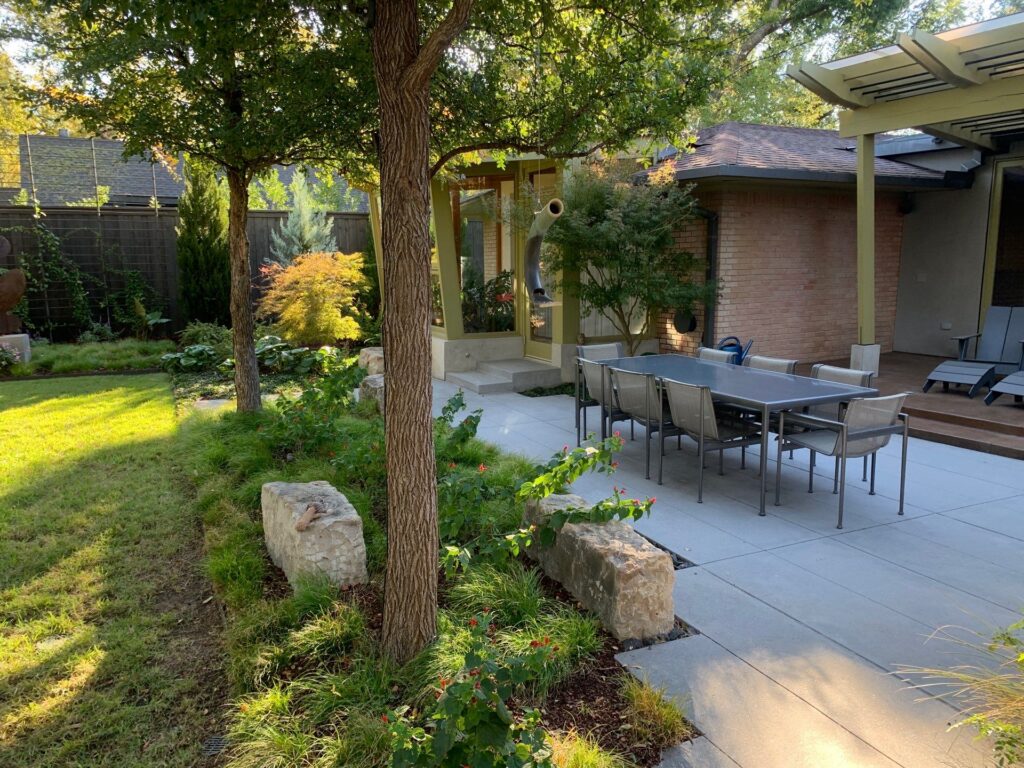
What is a Specimen Tree?
A specimen tree is a standout tree planted in a prominent location to create a visual focal point in a landscape. Unlike shade trees added for canopy coverage or screening trees purposefully aligned for privacy, a specimen tree is selected for its striking allure, distinct structure, or special seasonal characteristics. To serve as a true specimen tree here in North Texas, it must deliver high visual impact and thrive in our Blackland clay, high pH soils, and brutal summer heat.
Characteristics of a Specimen Tree
-
Striking Visual Appeal: A true specimen tree boasts a standout feature such as festive fall color, distinctive bark texture or branching patterns, or sensational seasonal blooms.
-
Solitary Placement: Specimen trees can be planted alone in an open lawn, courtyard, or entry garden, or planted as a privacy border where they can be viewed from multiple angles.
-
Proportional Scale: We thoughtfully select specimen trees that are size-appropriate to your specific landscape. This helps to anchor the garden without overwhelming the home or surrounding landscape.
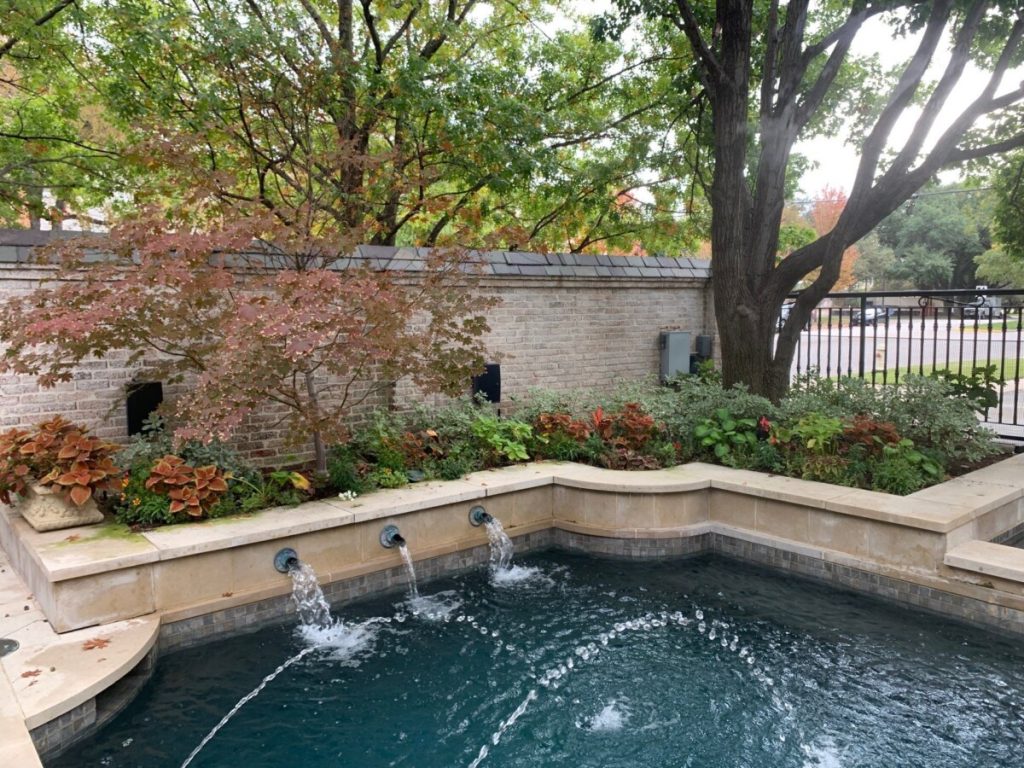
Best Focal-Point Specimen Trees
1. Japanese Maples
These architectural centerpieces are favorites among our clients and our design team. However, to ensure the best fit for your landscape, It’s important to work with a professional who can select the right cultivar for your landscape’s specific space, soil, and lighting needs. Our garden care experts are familiar with the growth habits and branch structures of these various cultivars, which helps them visualize which form best suits your space.
Crucial Planting Rules for North Texas Fall Color
Morning Sun Only: In DFW, Japanese maples must be planted on the east or northeast side of a home or as understory trees situated beneath a high, dappled canopy of large native oaks or pecans. Planting in areas that receive hot afternoon sun (west exposure) will scorch leaves by mid-summer.
-
Elevate Above Native Clay: Japanese maples despise standing water and poorly drained heavy clay. They endure best when planted in a berm, raised bed, or set the root ball 3–4 inches above grade and backfill with pine bark soil conditioner mixed into native soil.
-
Consistent Moisture: Maintaining a 3-inch layer of hardwood or pine bark mulch across the root zone helps keep roots cool and evenly moist through sizzling summers.

Popular North Texas Japanese Maple Cultivars
Cultivar |
Foliage Type |
Fall Color Palette |
Mature Size |
Growth Habit |
| Bloodgood | Broadleaf (Deep purple-red summer) | Rich Crimson-Scarlet | 15–20 ft | Upright, Rounded Vase |
| Emperor | Broadleaf (Dark burgundy summer) | Glowing Scarlet | 15–18 ft | Upright, Vase-shaped |
| Fireglow | Broadleaf (Deep red summer) | Luminous Cherry Red | 12–15 ft | Upright, Compact |
| Osakazuki | Broadleaf (Green summer) | Electric Crimson-Scarlet | 15–20 ft | Upright, Spreading |
| Tamukeyama | Laceleaf (Dark purple summer) | Rich Crimson / Maroon | 6–8 ft | Weeping, Mounding |
| Orangeola | Laceleaf (Bronze/green summer) | Fiery Orange & Red | 6–8 ft | Weeping, Cascading |
| Seiryu | Laceleaf (Bright green summer) | Gold, Amber, and Crimson | 12–15 ft | Upright, Layered |
| Sango Kaku | Broadleaf (Light green summer) | Butter Yellow / Apricot | 15–20 ft | Upright (Coral stems) |
2. Texas Redbud
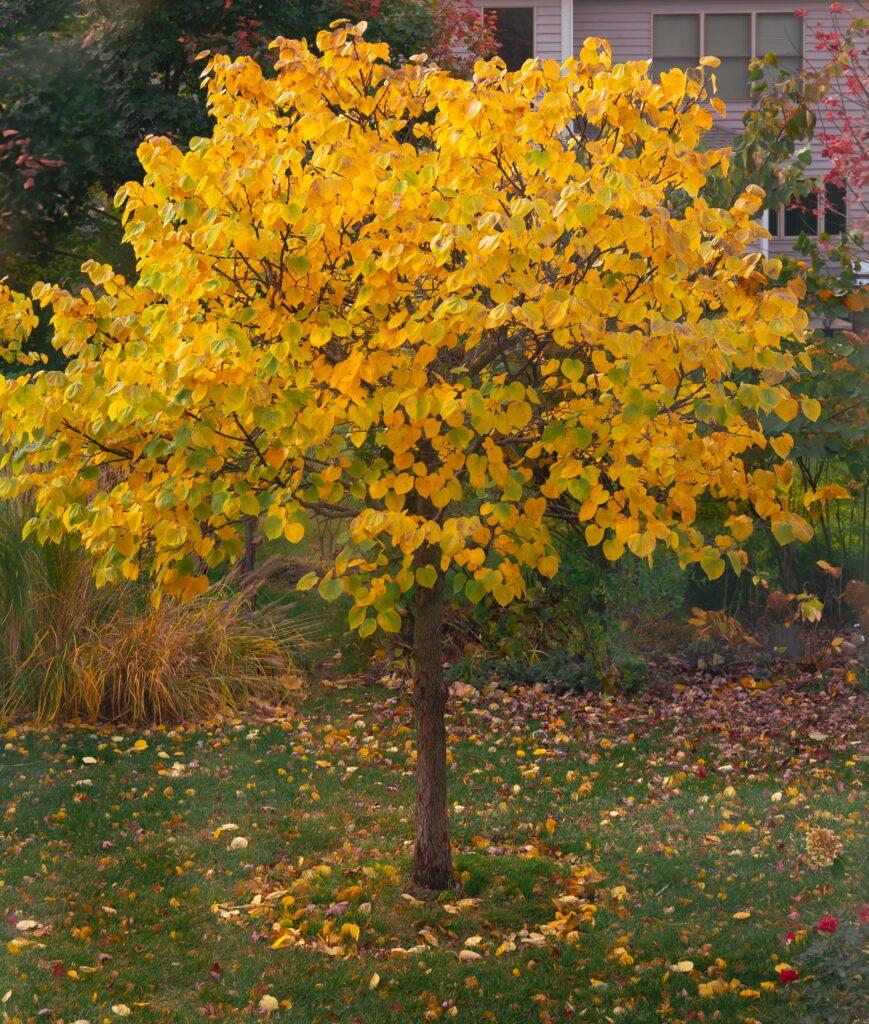
Producing brilliant purple blooms in early spring, these seasonal stunners also boast equally beautiful golden-to-maroon color displays in fall. These small 15-20-foot understory native trees excel in Texas because of their deep root systems and waxy leaves that retain moisture during scorching summers. Their flat, hanging legume pods evolve into a deep maroon in early fall, adding texture alongside amber foliage that develops once temperatures turn cooler.

3. Ginkgo Tree
Ginkgos are known for their distinctive, fan-shaped leaves that remain green throughout the year until transitioning into a breathtaking yellow-gold in autumn. Considered “living fossils, a non-scientific term for species without close living relatives, ginkgo tree varieties are one of the oldest living trees that existed worldwide 200 million years ago. These slow-growing, seasonal stunners are hardy, deep-rooted trees that tolerate most well-drained soils. Popular cultivars include Fairmount, a columnar or upright tree that can reach heights of 50 feet with a spread of 15 to 18 feet, and Autumn Gold, a spreading tree that can grow 25 to 50 feet with a 25 to 35-foot-wide canopy. Male ginkgo trees are preferred because female trees produce seeds with a distinctive, unpleasant rancid butter odor as they decay.

4. Cedar Elm
Cedar elm trees are very popular in Texas. They are very drought tolerant and survive in difficult soil types with very little care. While most elms put out their flowers in spring, the cedar elm flowers, fruits and puts on a brilliant show of yellow gold in the fall. The tree has a medium growth rate of 13 to 24 inches a year and generally reaches heights of 50 to 70 inches and a width of 40 to 60 feet at maturity.
That said, according to the Native Plant Society of Texas, “How tall it can get depends on the soil – harsh limestone outcroppings may limit it to 20 feet tall, while the State Champion Cedar Elm grows in rich river bottom soil in Dallas, Texas and is 83 feet tall. (Note: the previous National Champion Cedar Elm was 94 feet tall near Oletha in Limestone County.)” Cedar elms are susceptible to Dutch elm disease, a fungus spread by elm bark beetles. Infection is usually first noticeable on upper branches of the tree; leaves will start to wither and yellow in summer, months before normal autumnal leaf shedding.

5. Red Oak
Red oaks range from 25 feet tall for the Texas Red Oak to over 80 feet for Shumard Red Oak varieties. Fall foliage can range from brilliant red-orange, vibrant crimson-red, or yellow. These large shade trees create expansive canopies for understory trees, making a dramatic landscape statement.
With the extensive amount of construction in many of our mature neighborhoods, it’s important to note that all red oaks are especially sensitive to root damage. If construction is taking place on the property, preventing traffic of any kind over the roots is imperative to minimize compaction to the root zone. Additionally, a tree’s root system is large and extends well beyond the tree’s dripline, often extending a distance equal to two to three times the tree’s height. Symptoms of root damage may be apparent within weeks but often take years to appear as the damage remains hidden under the soil in the root system.
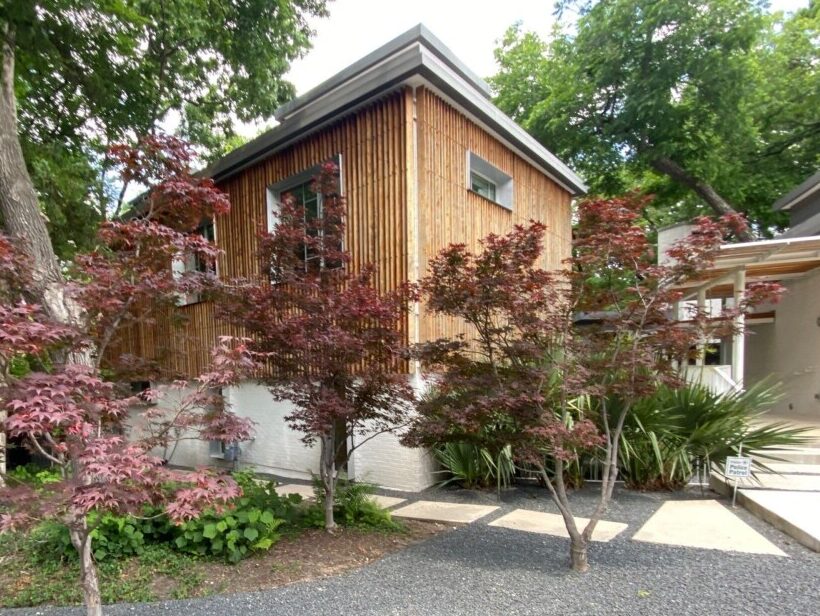
“Autumn is a second spring where every leaf is a flower.” – Albert Camus
When to Plant Specimen Trees
Many homeowners think Spring when they think about landscaping, but fall is actually the best time to add trees and shrubs to your yard. In Dallas, the soil typically stays warm enough throughout the winter (40 degrees or above) for roots to grow and gain strength. Trees planted now get a head start on establishing roots before spring, when they awaken from dormancy and experience a growth spurt as they develop leaves.
Numerous factors play into choosing the right specimen trees, where to locate them, and how to properly plant them to ensure their safety and survival. So, protect your investment by consulting our knowledgeable garden care team.
You May Also Enjoy:
Extended Summer Sojourn: The Science Behind Delayed Autumn
6 Ways Fall Garden Color Can Spice Up Your Season
10 Benefits of Installing an Outdoor Fireplace